Rough Sawn vs. Milled Thickness

Rough Sawn vs. Milled Thickness
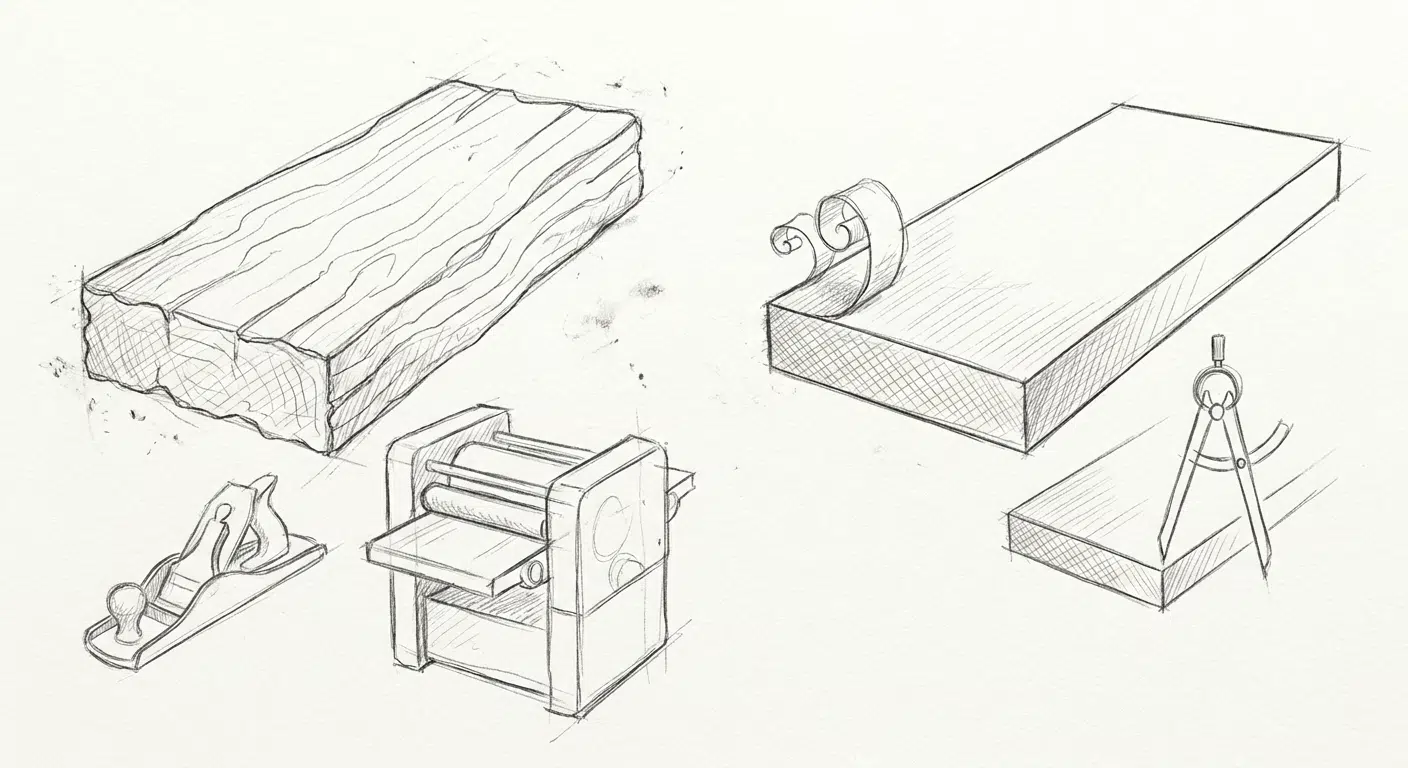
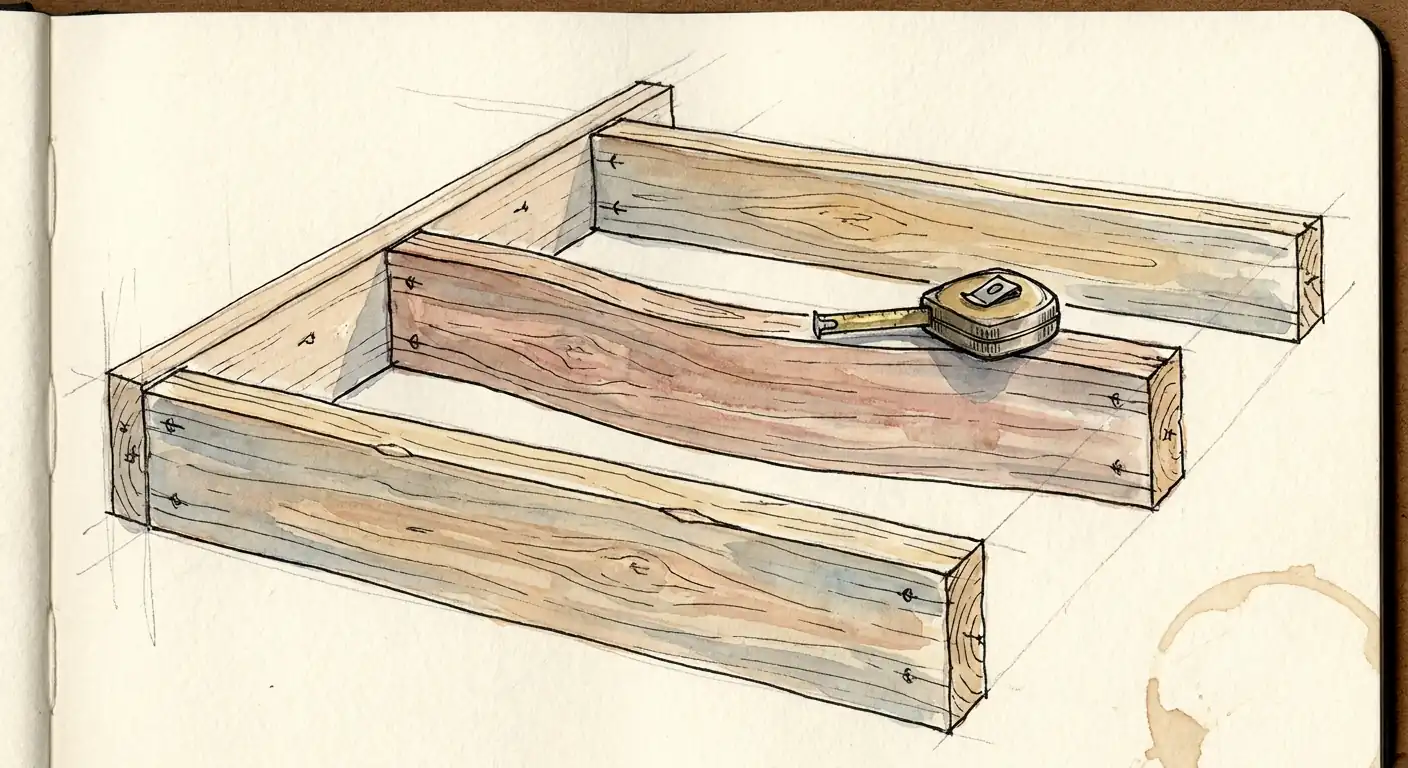
Rough Sawn vs. Milled Thickness (S2S, S4S & The Quarter System) Rough sawn lumber loses thickness the moment you mill it. A 4/4 board measures about 1 inch rough, but after jointing and planing it lands near 13/16 inch at a mill and closer to 3/4 inch in a home shop. Plan on losing 1/8 … Read more
Lumber Storage: How to Store Framing Wood to Prevent Warping

Lumber Storage: How to Store Framing Wood to Prevent Warping

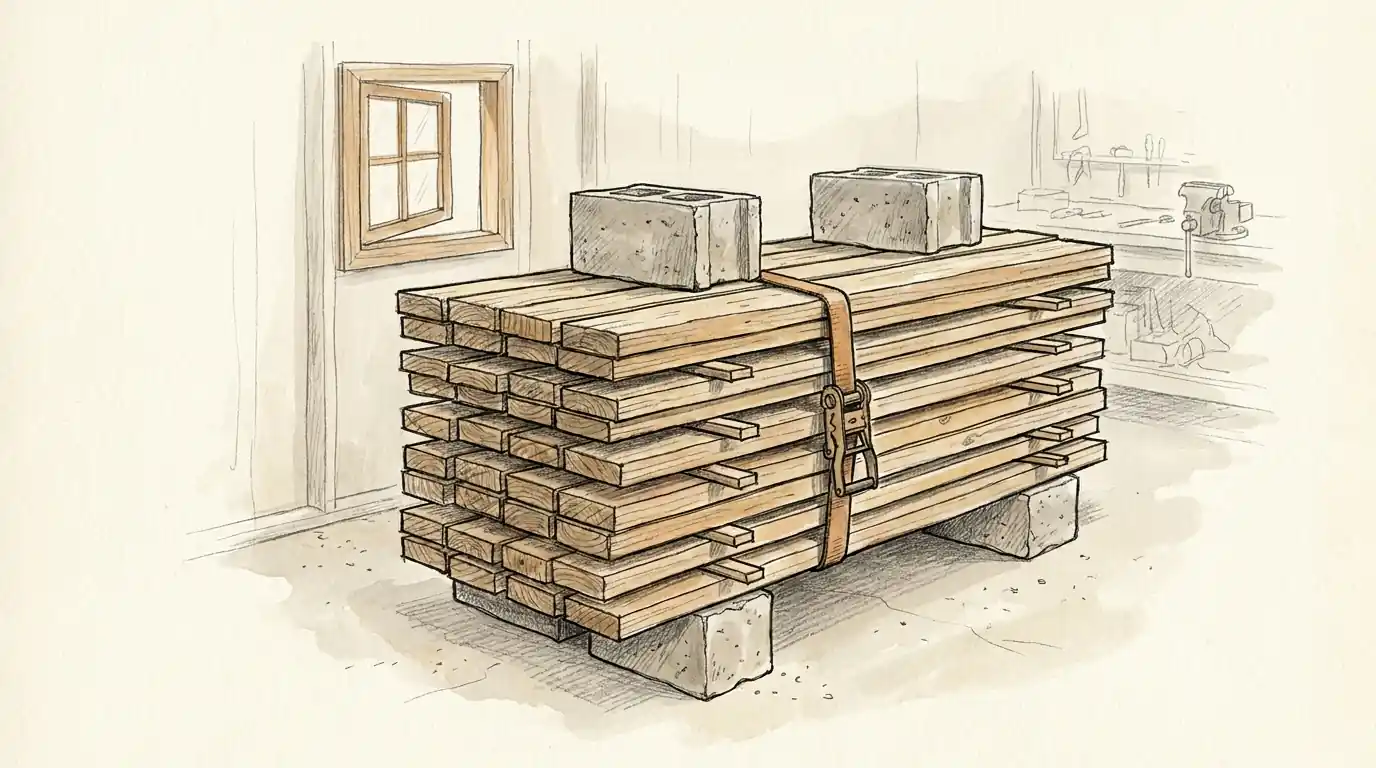
Lumber Storage: How to Store Framing Wood to Prevent Warping Store framing lumber flat and off the ground. Set it on level supports every 2 feet, place thin sticker strips between each layer, keep the sticker rows stacked directly above each other, then strap the pile and add weight on top. Keep it shaded, dry, … Read more

Lumber Span Tables

Lumber Span Tables: How to Determine Allowable Joist & Rafter Lengths

Lumber Span Tables: How to Determine Allowable Joist & Rafter Lengths You determine allowable joist and rafter lengths by matching your clear span, on-center spacing, live load, and lumber grade to the IRC span table for that wood species. The table number is the longest run that board can make between supports without failing the … Read more

How to Read Lumber Stamps

How to Read Lumber Stamps

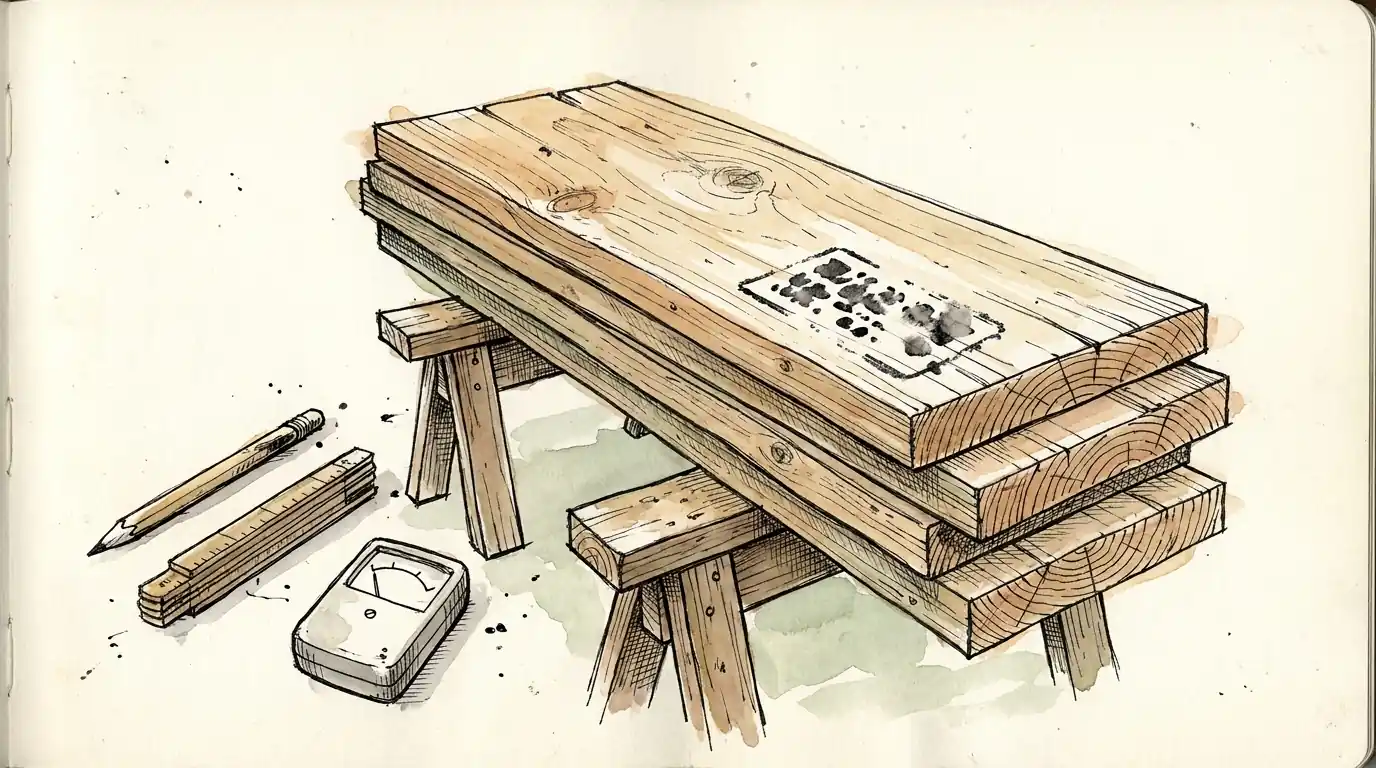
How to Read Lumber Stamps: Grading, Moisture, and Species Marks Every stick of dimensional softwood at the lumber yard carries a small inked block on its wide face. It looks like a random pile of letters and numbers: S-DRY, KD-HT, SPIB No.2, STUD, a mill number, and a logo you have never seen before. Most … Read more

Nominal vs. Actual Lumber Sizing

Nominal vs Actual Lumber Sizing

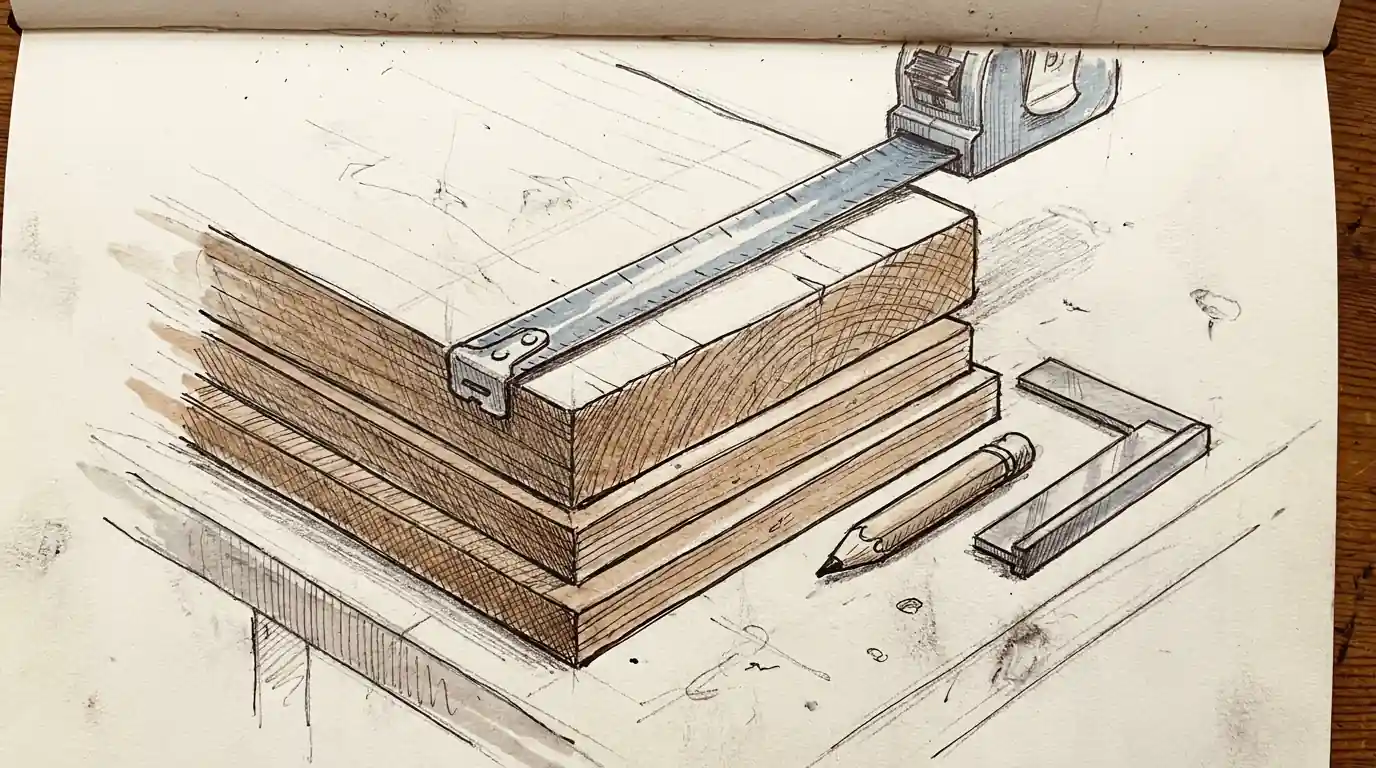
Nominal vs. Actual Lumber Sizing (The Standard Milled Sizing Cheat Sheet) You walk into the lumberyard, ask for ten 2x4s, and load them into the truck feeling good. Then you get home, hook your tape over the end of one, and the number reads 1.5 inches by 3.5 inches. Nothing was cut wrong. Nobody shorted … Read more

Calculating Mulch Top-Offs vs. New Beds

Calculating Mulch Top-Offs vs. New Beds (How to Refresh Mulch Safely)

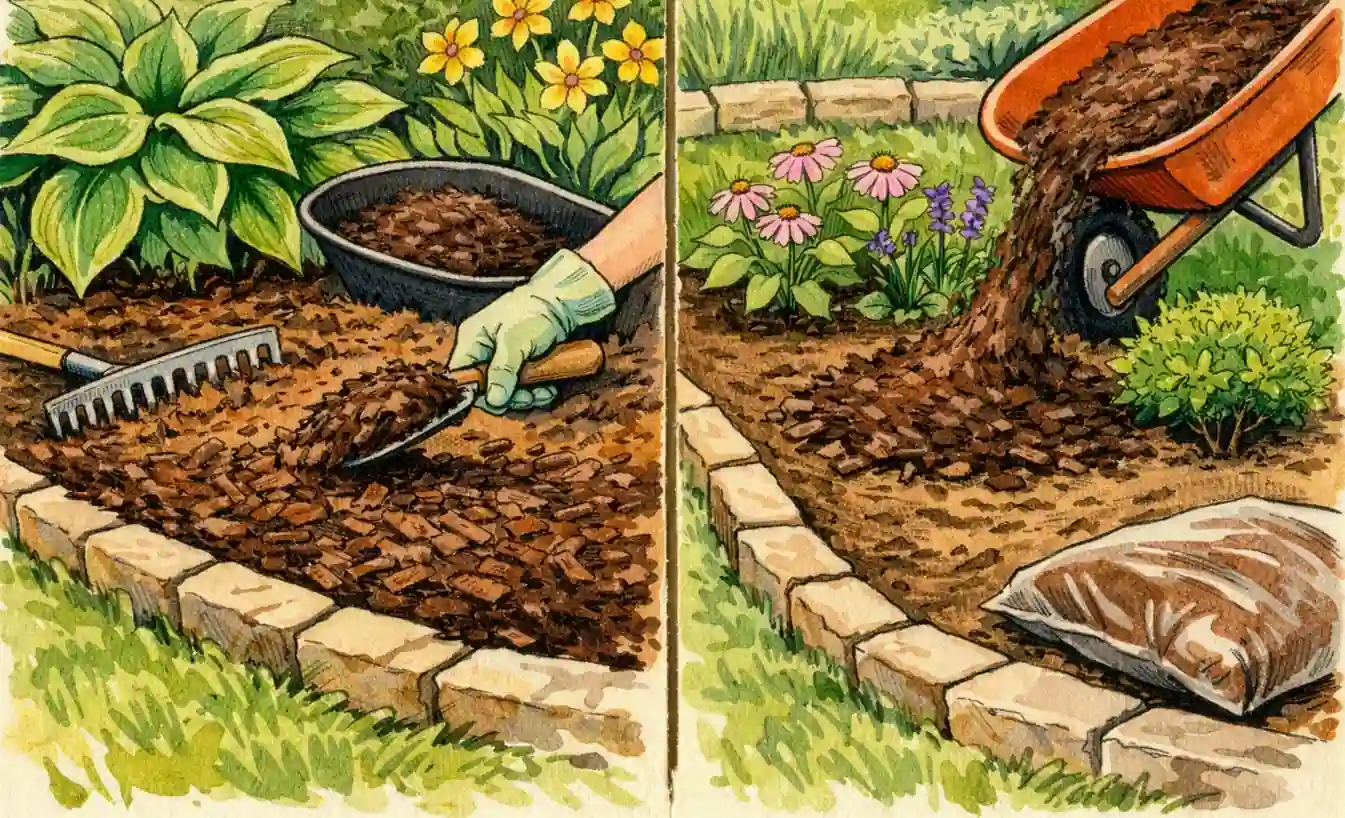
Calculating Mulch Top-Offs vs. New Beds (How to Refresh Mulch Safely) Every spring, the same thing happens. The beds look tired, the mulch has faded to a dusty gray, and the reflex is to order three yards and start over. Three years later there is a spongy, matted layer sitting six inches deep against the … Read more

Mulching a Hillside

Mulching a Hillside: How to Calculate and Keep Mulch From Washing Away

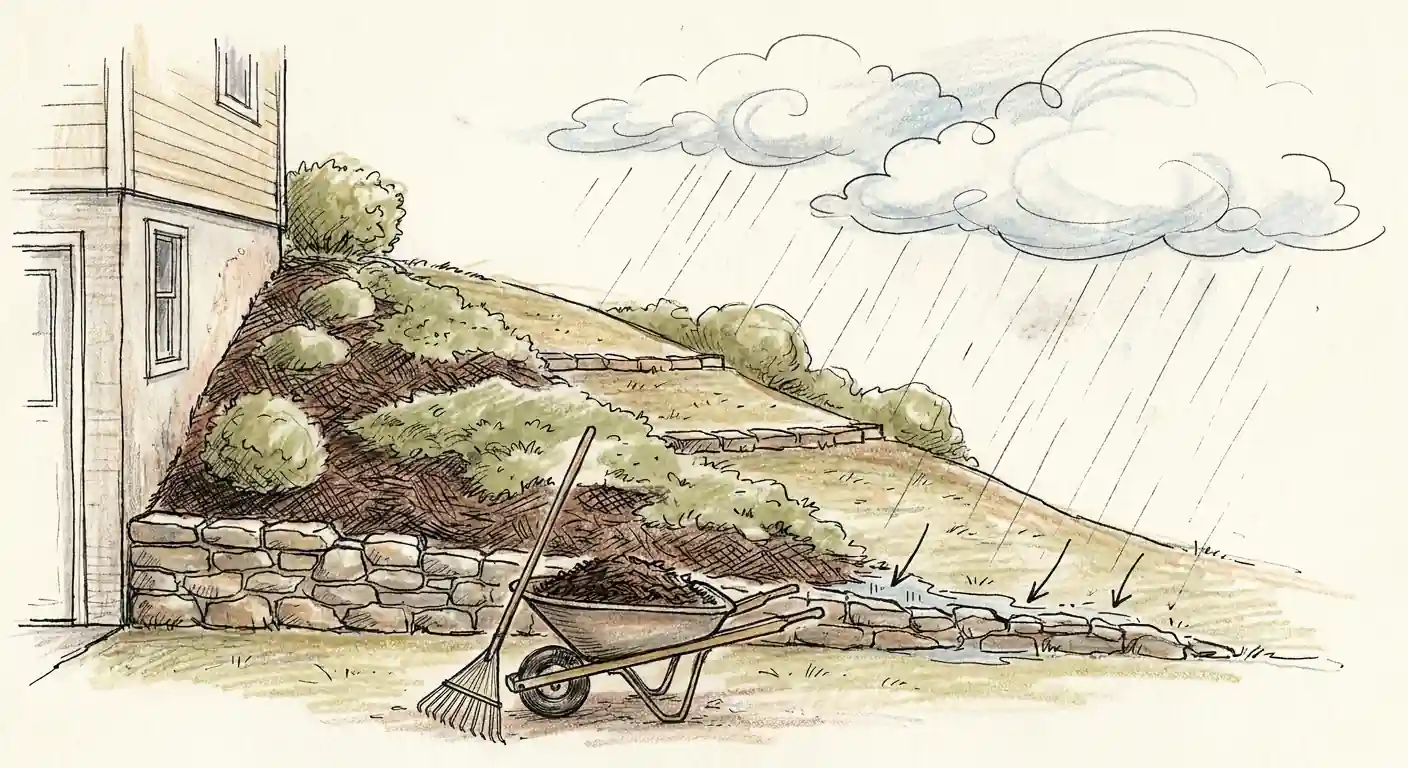
Mulching a Hillside: How to Calculate and Keep Mulch From Washing Away A flat bed is easy. You measure length, you measure width, you multiply, you order mulch. A hillside punishes that habit twice. First, the tape measure lies to you, because the ground you are covering is longer than the flat footprint you drew … Read more

Calculating Mulch Around Trees

Calculating Mulch Around Trees Correctly

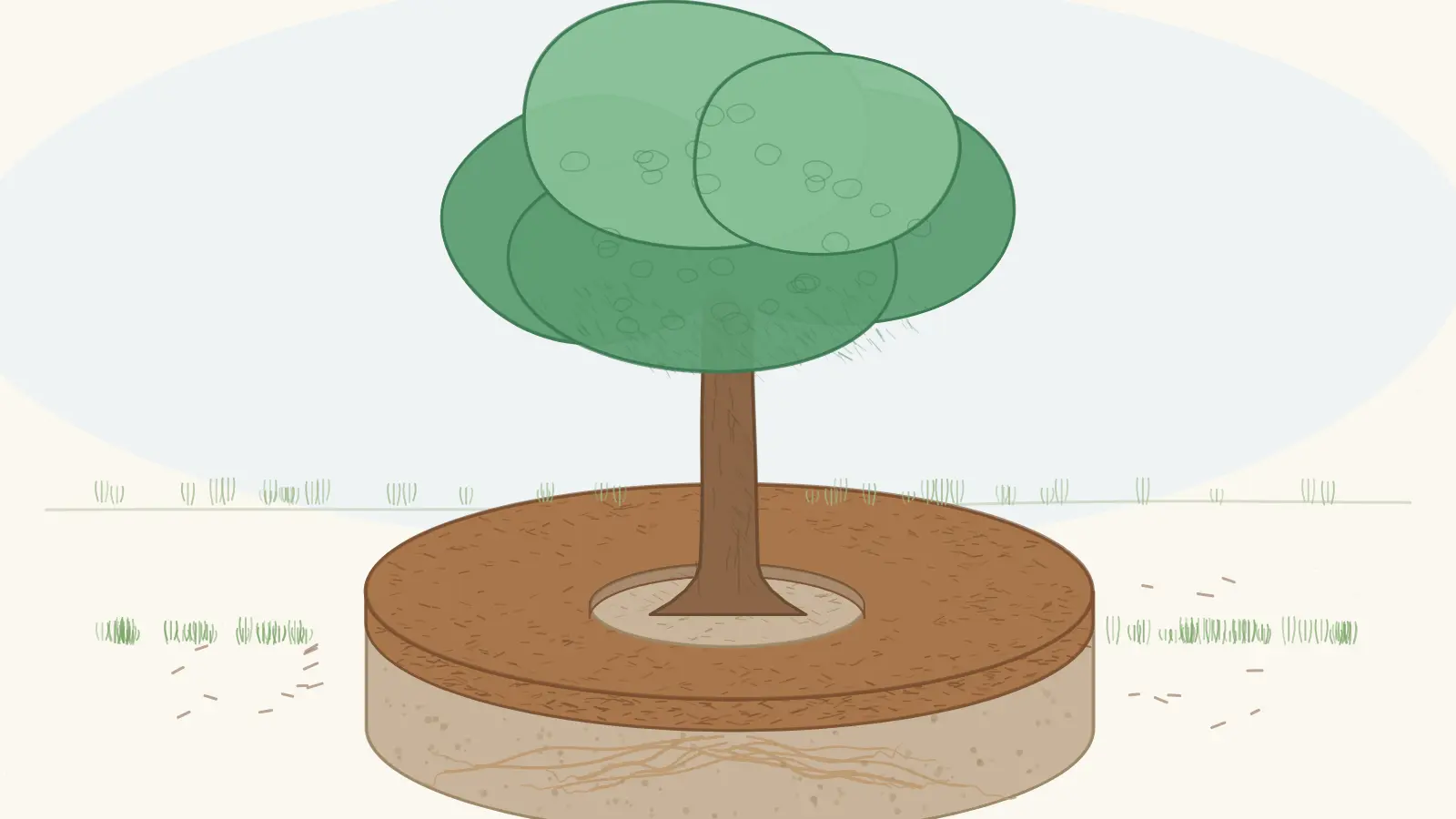
Calculating Mulch Around Trees: Avoiding Volcano Mulching Most mulch calculators treat a tree ring like a full circle. Your tree does not. The trunk sits in the middle, and the few inches of soil around that trunk need to stay bare and open to the air. What you are really filling is a doughnut, and … Read more

How Many Bags of Mulch in a Yard?

How Many Bags of Mulch in a Yard

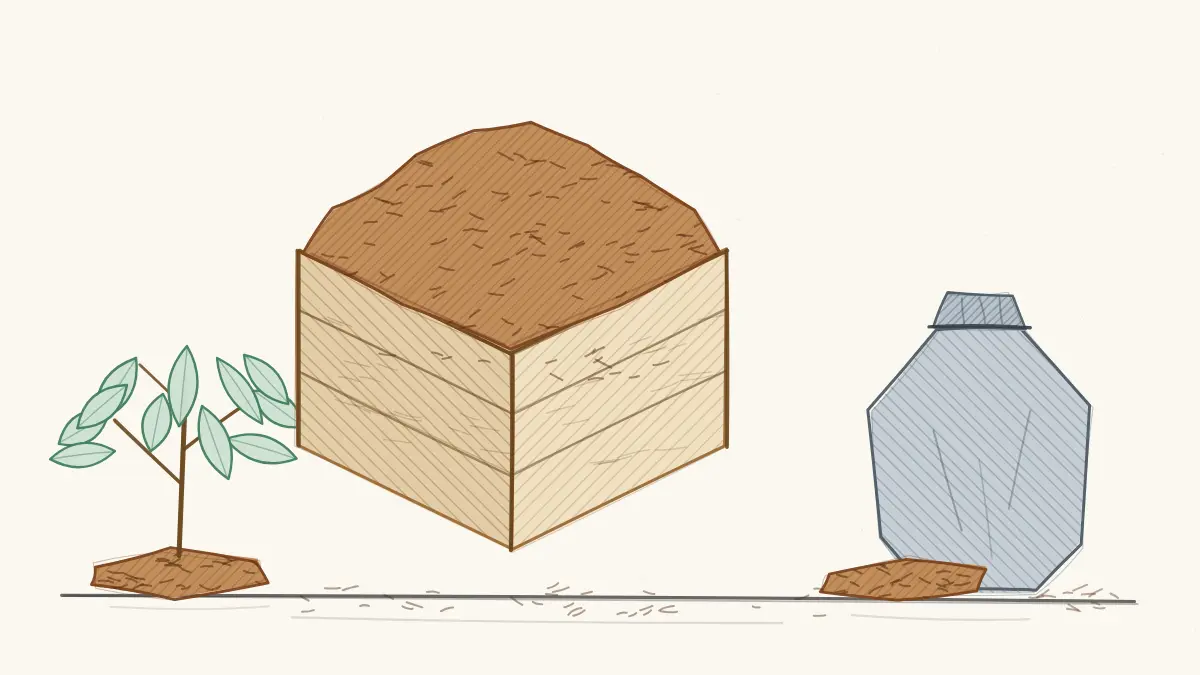
How Many Bags of Mulch in a Yard? (Full Chart + Cost Math) One cubic yard of mulch = 27 cubic feet. So a yard equals 13.5 bags of 2 cu ft mulch, 18 bags of 1.5 cu ft mulch, or 9 bags of 3 cu ft mulch. One yard covers about 108 square feet … Read more